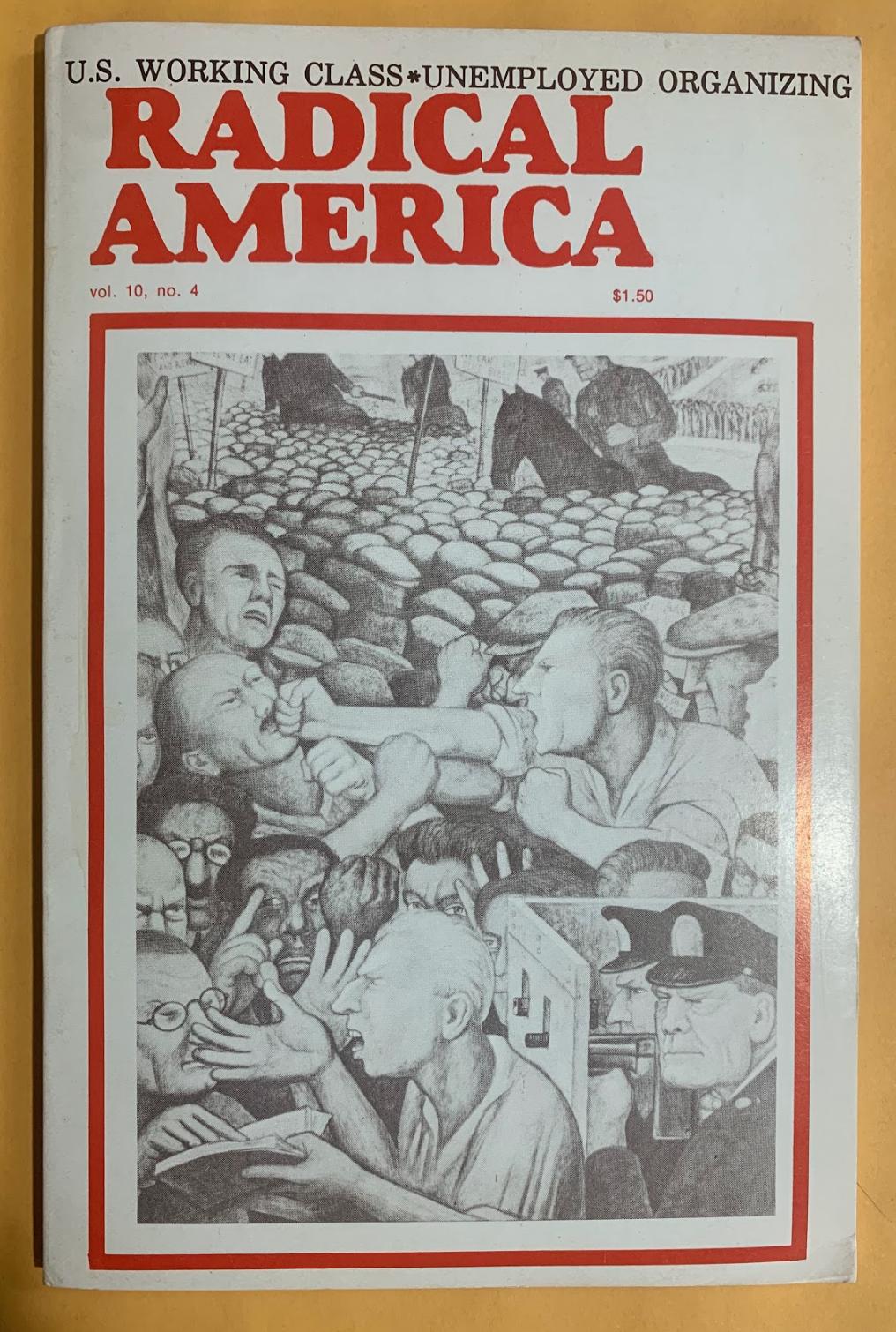
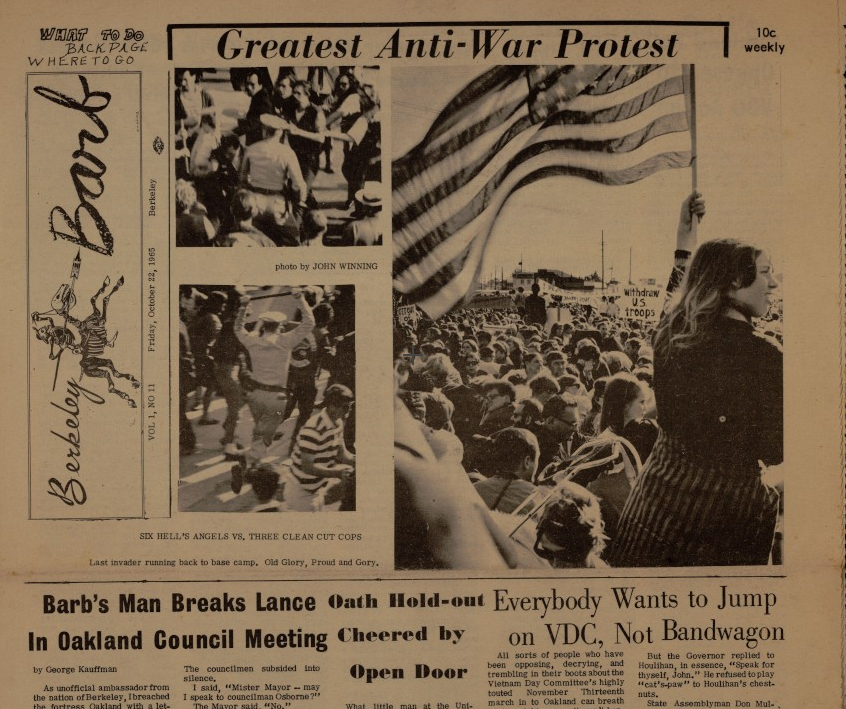
 Underground newspapers: The social media networks of the 1960s and 1970s
by
Underground newspapers: The social media networks of the 1960s and 1970s
by
 Remembering the Black Radical Press
 New Left Notes
by
New Left Notes
by
 Scab Sheet
by
Scab Sheet
by
 Outcry! from occupied Berkeley
by
Outcry! from occupied Berkeley
by
 The Isla Vista Argo
by
The Isla Vista Argo
by
 Rainbow Snake
by
Rainbow Snake
by
 San Jose State College Survival Faire collection, 1969-1970
by
San Jose State College Survival Faire collection, 1969-1970
by
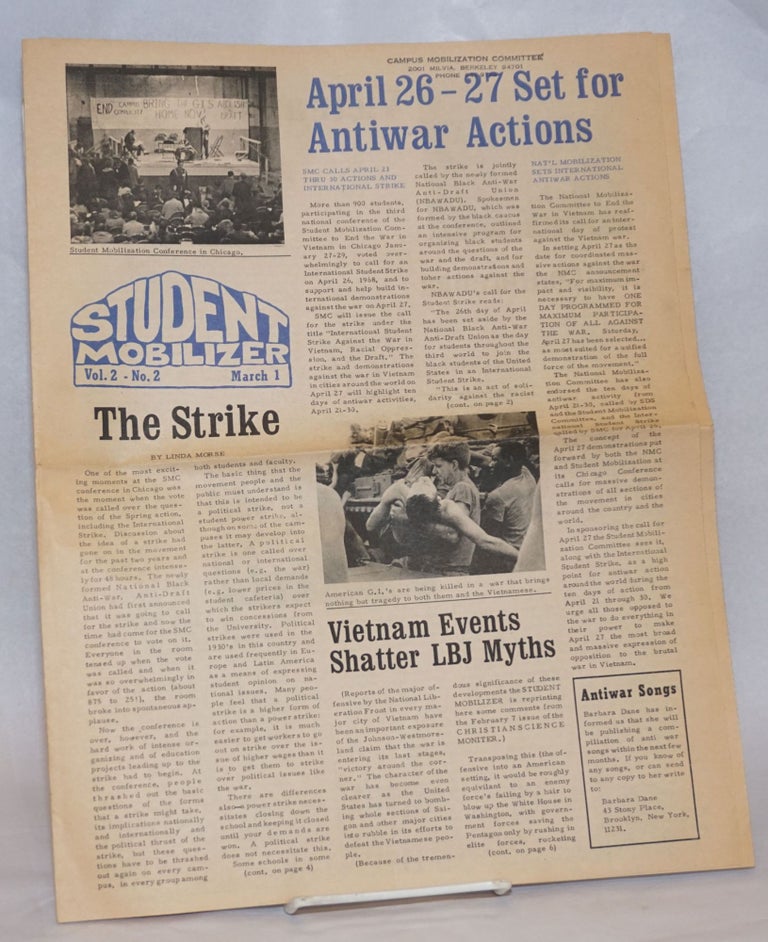 The Student Mobilizer
by
The Student Mobilizer
by
 Disorientation Manual
by
Disorientation Manual
by
 Old Mole : A radical bi-weekly
 Resist! A Call to Resist Illegitimate Authority
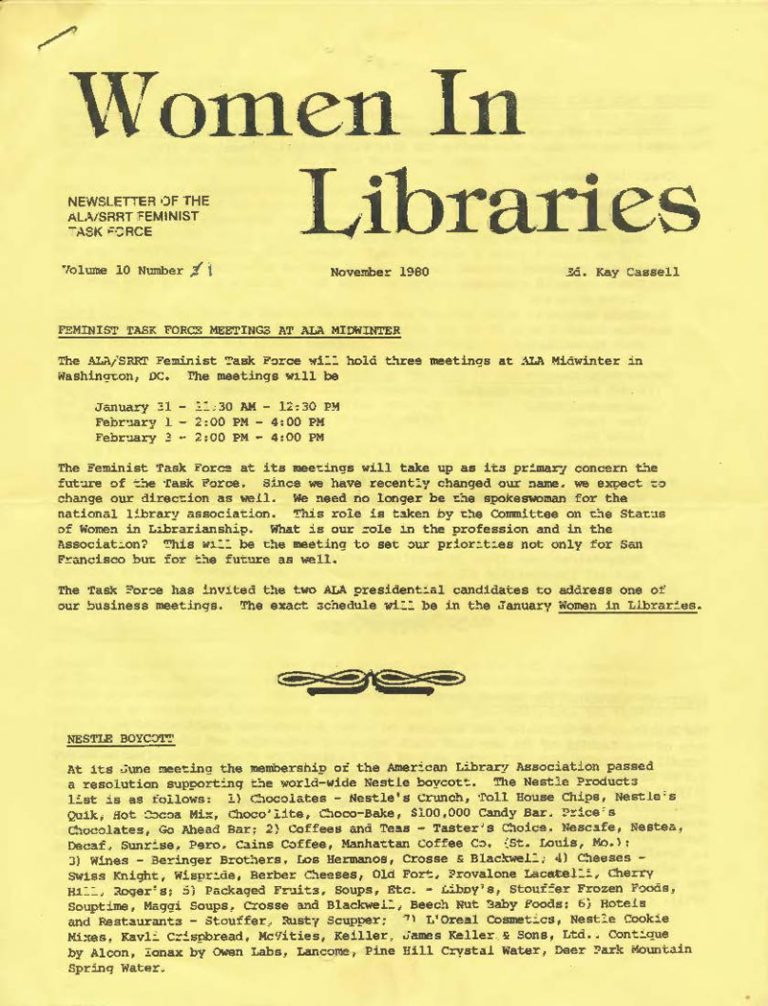 Women Library Workers
by
Women Library Workers
by
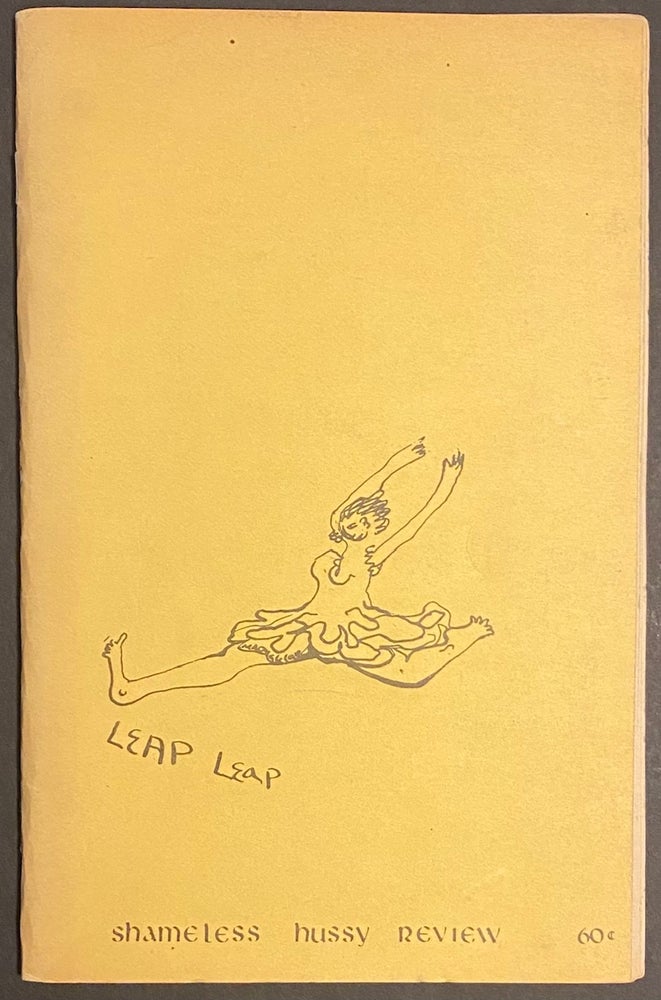 Shameless Hussy review. [No. 5]
by
Shameless Hussy review. [No. 5]
by
 Guardian : independent radical newsweekly.
by
Guardian : independent radical newsweekly.
by
 The Seventies
by
The Seventies
by
 Mass Media
by
Mass Media
by
 Independent Video S
by
Independent Video S
by
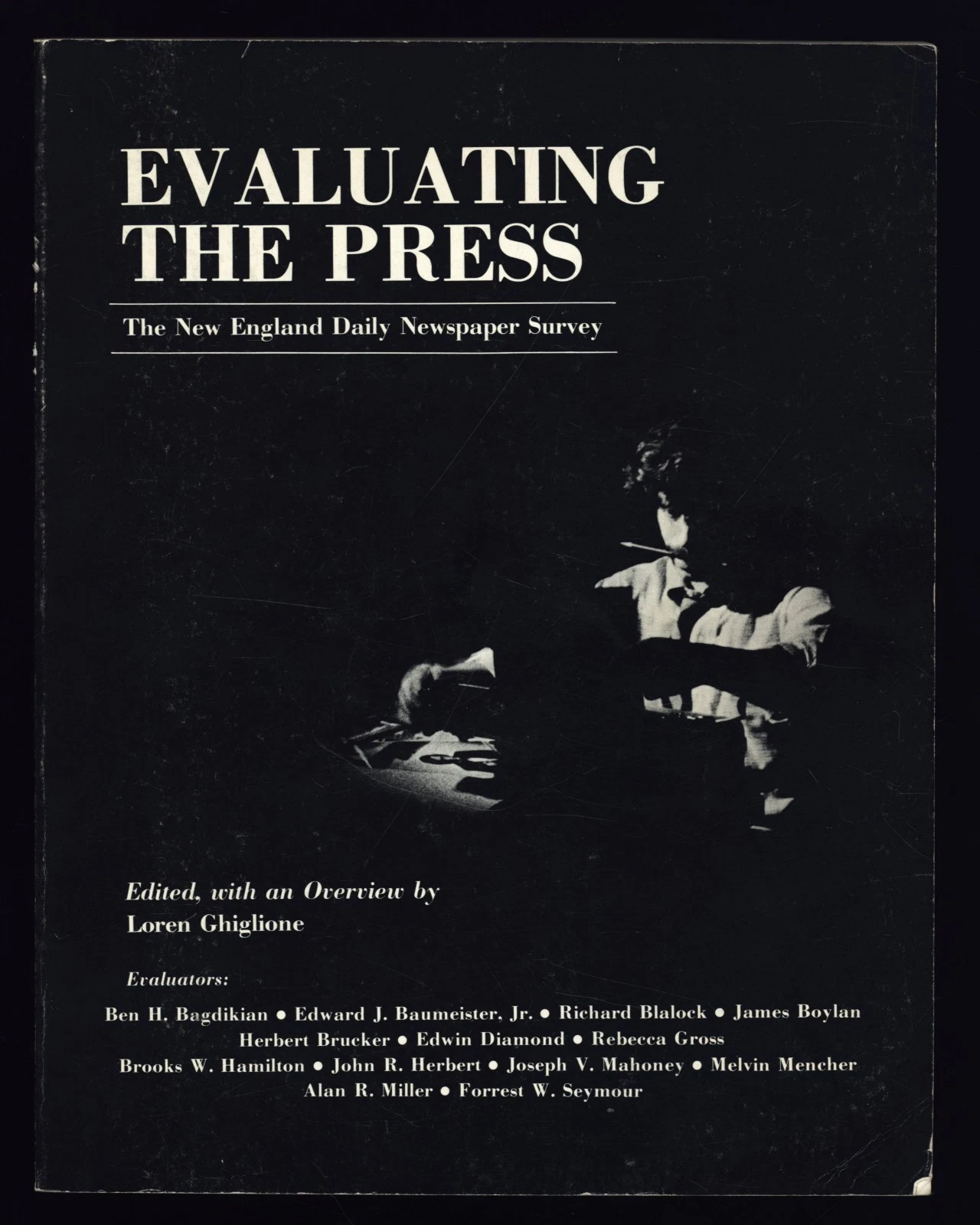 Evaluating the press: the New England daily newspaper survey
by
Evaluating the press: the New England daily newspaper survey
by
 The Black newspaper in America: a guide
by
The Black newspaper in America: a guide
by
 The World of Fanzines
by
There are well over 200 fanzines in current distribution, originating in almost every state in the U.S. as well as in Canada, England, Germany, Ireland, Spain, and Sweden. This is the first book about them. Few persons outside the science fiction field (where, historically, fanzine publication appears to have begun) know the meaning of the portmanteau word, fanzine (amateur fan plus magazine). Fanzines are published, written, and illustrated by young persons, usually well under 30, and bear such names as ANDROmeda, BeABohema, Comickazi, Granfalloon,and Varolika. The history of the genre is brief, dating from the 1930s, but many of the publishers and contributors have achieved considerable distinction as writers, including Poul Anderson, Ray Bradbury, and Richard Lupoff. Coming to this serious study of an unusual subject with his considerable expertise in the field of violence, Dr. Wertham has been struck, first, by the nonviolent, creative aspects of the genre and, second, by the amateur status of fanzines. His conclusion, which will surprise many readers, is that herein may lie a message for our unheroic age.
The World of Fanzines
by
There are well over 200 fanzines in current distribution, originating in almost every state in the U.S. as well as in Canada, England, Germany, Ireland, Spain, and Sweden. This is the first book about them. Few persons outside the science fiction field (where, historically, fanzine publication appears to have begun) know the meaning of the portmanteau word, fanzine (amateur fan plus magazine). Fanzines are published, written, and illustrated by young persons, usually well under 30, and bear such names as ANDROmeda, BeABohema, Comickazi, Granfalloon,and Varolika. The history of the genre is brief, dating from the 1930s, but many of the publishers and contributors have achieved considerable distinction as writers, including Poul Anderson, Ray Bradbury, and Richard Lupoff. Coming to this serious study of an unusual subject with his considerable expertise in the field of violence, Dr. Wertham has been struck, first, by the nonviolent, creative aspects of the genre and, second, by the amateur status of fanzines. His conclusion, which will surprise many readers, is that herein may lie a message for our unheroic age.
 The New Journalism
by
The New Journalism
by